



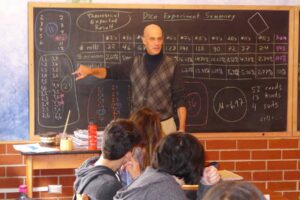
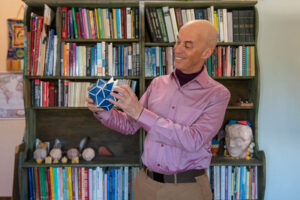
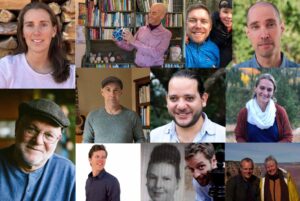

Teacher: Juan Pablo Barillas (Read more about his biography here)
Dates for 4 week course: March 1 to March 26, 2027
Times for Live Sessions: Monday through Thursday, Starting at 9:15am MT (which is 11:15am ET and 8:15am PT). On Friday at 9:15am MT there will be student group meetings. Each live session lasts between 50 and 70 minutes.
Course Description
Architecture is more than a series of buildings – it is a living record of humanity’s changing life. In this four‑week Main Lesson, students follow a narrative journey from prehistoric megaliths and Egyptian pyramids to the soaring cathedrals of the Middle Ages, the harmony and proportion of the Renaissance, the daring innovations of the Industrial Revolution, and modern skyscrapers. The class treats temples, houses, palaces, and public buildings as “stories” in stone, wood, concrete, and glass. By examining how each era’s structures reflect its myths, values, technologies, and social relationships, students gain a deep appreciation for the interplay between ideas, disciplines, and historical epochs.
The course is designed to engage the whole student. Through illustrated lectures, biographies of architects, discussions, and model‑making projects, learners develop creativity and expand their thinking while discovering how architecture both shapes and is shaped by people’s lives. Along the way, we explore the character‑forming qualities embedded in these architectural “stories,” such as the balance between individual expression and communal purpose.
As part of the evolution of consciousness series, this Main Lesson invites students to reflect on how humanity’s understanding of itself has evolved. While studying history through architecture, students revitalize their understanding of the past, engage effectively with the present, and imagine a future where architecture embodies our highest ideals. By the end of the block, students emerge not only with knowledge of architectural styles but with a heightened awareness of how culture and consciousness are woven into the spaces we inhabit.